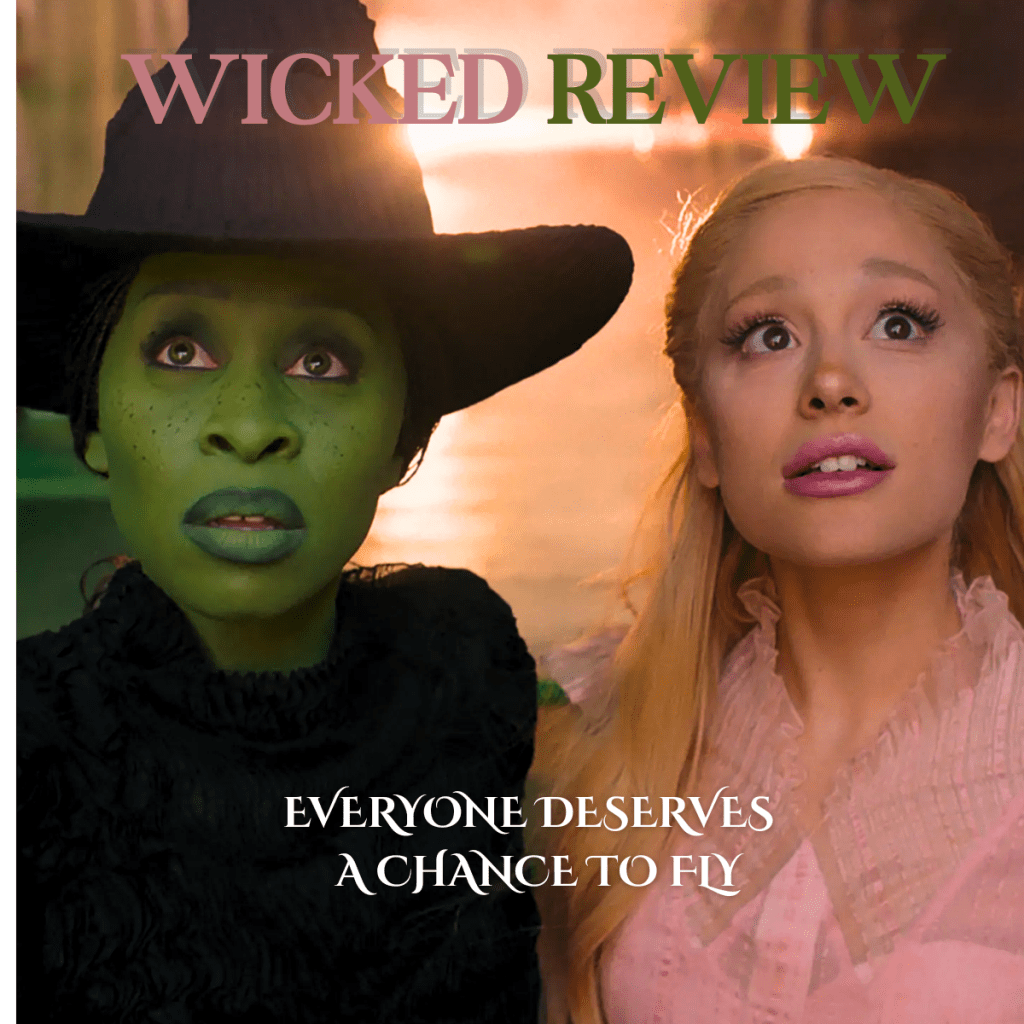
It’s not easy being green–and that’s not just a truth reserved for amphibians. Elphaba Thropp, the eldest daughter of the Munchkin Land mayor, has dealt with enough bigotry and bullying to testify that having grass-green skin can bring a boatload of troubles. Ever since she was born, all people could talk about was how green she was. Like,”to an absurd degree,” Elphaba complains.
Strangely, in the world of Oz where talking Animals flourish, witches and wizards wave magical wands, and a Yellow Brick Road connects it all, having green skin is a bit too much for everyone to handle. Now that Elphaba is an adult, she’s come to terms that she’ll never be accepted. To her, the only way to survive in Oz is to toughen up that green skin and let people’s comments slide off like so much rainwater.
The only problem? Elphaba might be able to ignore the injustices levied against her, but she’s never been able to look the other way when others are unfairly treated.
Some might call that trait heroic. Others, though? They just say it’s wicked.
No Place Like Home
The Oz of Elphaba’s story is a fantastical place, filled with everything that makes The Wizard of Oz feel like a warm mug of nostalgia, whimsy, and imagination. Goats, pelicans, and people are all professors at Shiz, the esteemed university for sorcery and other “thrillifying” subjects. Princes and mayors and wizards and long-prophesied magicians walk the same yellow brick road as Dorothy and Toto. Flying monkeys dot the skies as a story, only dreamable in Oz, unfolds.

This same Oz seemed nearly perfect to Elphaba as she grew up–with the exception that the world seemed equally unprepared to welcome greenness. Despite its idyllic veneer, when Elphaba unexpectedly enters Shiz as a star sorcery pupil, her once-familiar homeland is shadowed by darkness. Whispers of Animals being fired from their jobs, put in cages, and forced to domesticity horrifies Elphaba. Everyone else seems glibly oblivious to the injustices. The main culprits of such entitled ignorance are Galinda, a powder-pink prima donna with a flair for theatrics, and Prince Fiyero, the dashingly handsome and loathsomely flippant transfer student who jumps into trouble with both leather-booted feet.
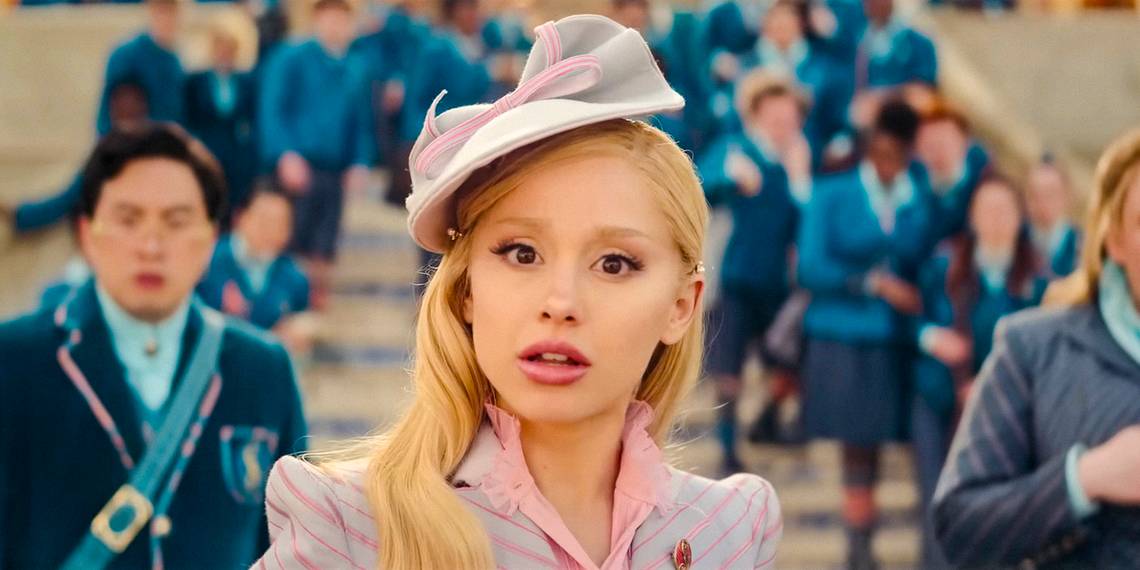
Sure, Fiyero is irritating. But Galinda is who really gets under Elphaba’s skin. She’s everything that Elphaba isn’t: shallow, vain, glittery, and pink. VERY pink.
Galinda is also everything that Elphaba wants to be–accepted, popular, beautiful, loved. In every situation that Elphaba sticks out like a sore (green) thumb, Galinda sparkles and basks and flips her hair with confidence.
So when Elphaba is assigned as Galinda’s roommate, it feels like a tornado’s swept through and tossed all of Oz upside. Injustice, it seems, is constantly following Elphaba around, from her personal life to the future of Oz. And, the more the feud between Elphaba and Galinda grows, the more the injustices against Animals are slowly, quietly, and horrifically being stripped away.
A Cold Bucket of Water
So, Oz might be beautiful and the lessons at Shiz are, as the Ozians say, enough to “encouragerize” anyone. But for Elphaba, life with popular, perfect Galinda and idolized, ne’er-do-well Fiyero only compound’s her lifelong feelings of inadequacy.
Elphaba’s grown up with the resentment of others toward her as a constant, terrible stain in her childhood memories. She’s tried burying the pain deep, but when Animals are beginning to also become the object of hatred in Oz, Elphaba’s long-standing heart for justice breaks. She refuses to see others experience the same isolation she’s endured for so long. Surprisingly, her quest for justice unites old grudges as her fight against evil opens the eyes of more than a few fellow students.
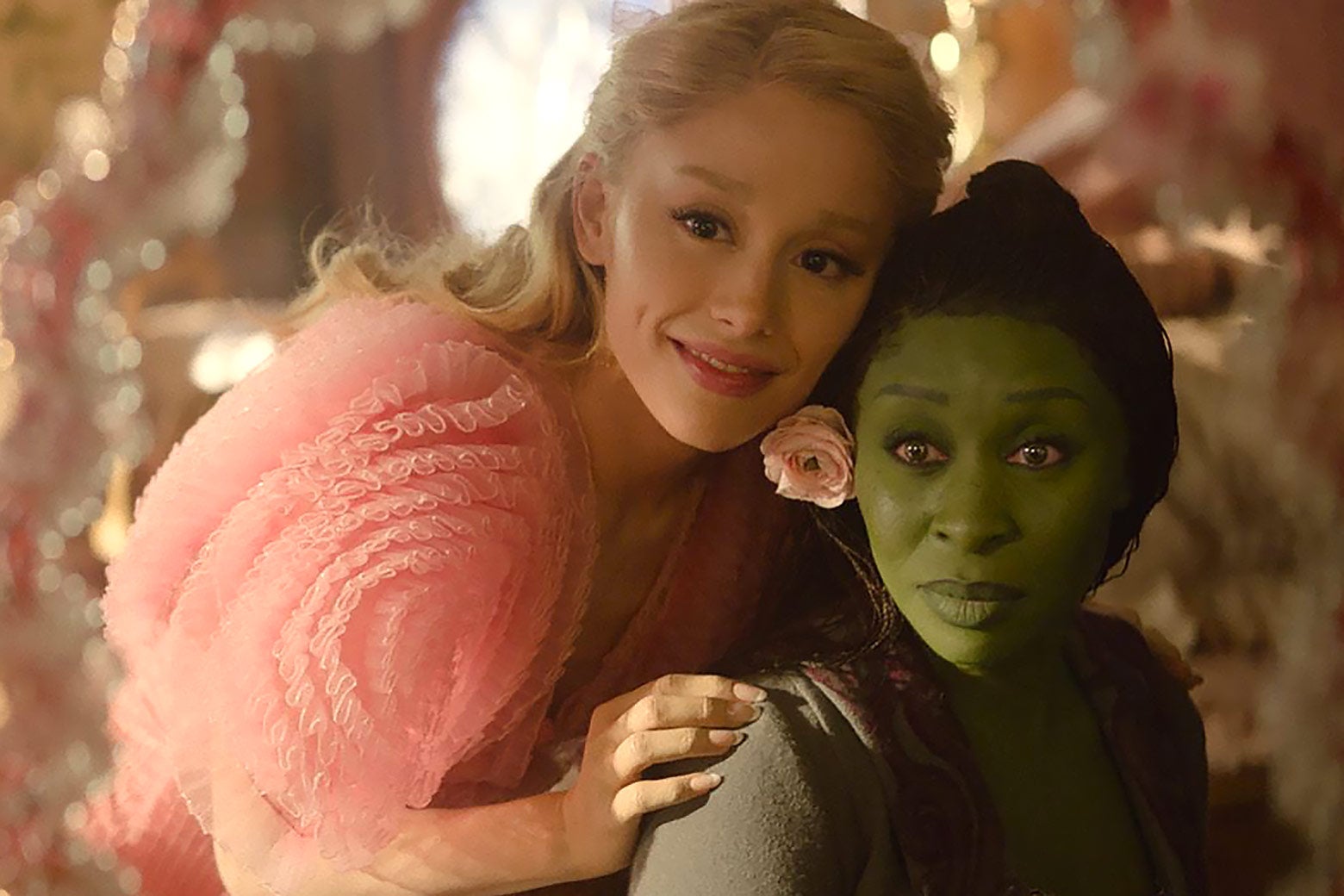
In a miracle that would shock even the Wizard, Galinda slowly becomes a trusted friend to Elphaba. Maybe, Elphaba realizes, everyone deserves a chance to be seen for more than the sparkly (or green) that lies on the outside. Maybe Galinda isn’t the sworn enemy Elphaba had once believed her to be. Annoyingly, Fiyero also seems less and less like an irritation and more like a handsome, compassionate guy who might join the cause to save the Animals and the soul of Oz.
And, in the biggest miracle of all, Elphaba realizes maybe she can do just that. Her gifts of sorcery and magic aren’t mere freakish parlor tricks. As Elphaba grows in confidence in herself and in conviction to save Oz from its own hatred, one line of truth begins to rise from a lifetime of lies and judgements.
As the Wizard of Oz said himself, everyone deserves a chance to fly.
Follow the (Yellow Brick) Road
Wicked hit theaters with a splash in 2024, instantly picking up Oscar nominations faster than you can say, “We’re not in Kansas anymore.” And, arguably, those nominations are well-deserved. The music is literally breathtaking, the acting is deeply poignant while retaining the scripts heart and humor, and the costume designs are so impressive they won that aforementioned Academy Award. Despite a few flaws sprinkled along the way, it’s (in my opinion) a wickedly awesome film.
The real success with Wicked, however, lies at the heart of its story. For years, our heroine Elphaba has believed herself to be truly ugly, unlovable, and “hideoteous”. Despite the lies she’s believed about herself, however, Elphaba sees the value in every creature in Oz.

At the end of the 2 hr 40 min musical, audiences is left with the truth that the opinions of others have a power all their own.
In Wicked, however, we see this played out viscerally every time Elphaba winces when someone looks at her in disgust or hurls snide remarks toward her greenified self. Her thick skin is unsuccessfully hiding a heart about to burst with shame, embarrassment, and (ultimately) the belief that she’s not worthy of being a heroine until she’s as beautiful and loved and main-character-y as a heroine ought to be. In other words, until Elphaba is less . . . Elphaba.

Image Credit: The New York Times, art by Corey Corcoran
As Elphaba continues to embark on her journey toward fairness (regardless of her doubts about her own abilities), the tapestry of the tale draws into clearer focus.
Yes, the opinions of others hold power. Unfortunately, they can hold a lot of power. With just a few swipes down TikTok or Instagram, or just a few uncomfortable conversations with peers or coworkers, the tides can turn from ignorant bliss of social perception to genuine mortification, sadness, and loneliness. Add in unfair cultural ideals of beauty (or any other category), and you might be the one turning green with envy and desperation for someone else’s life.
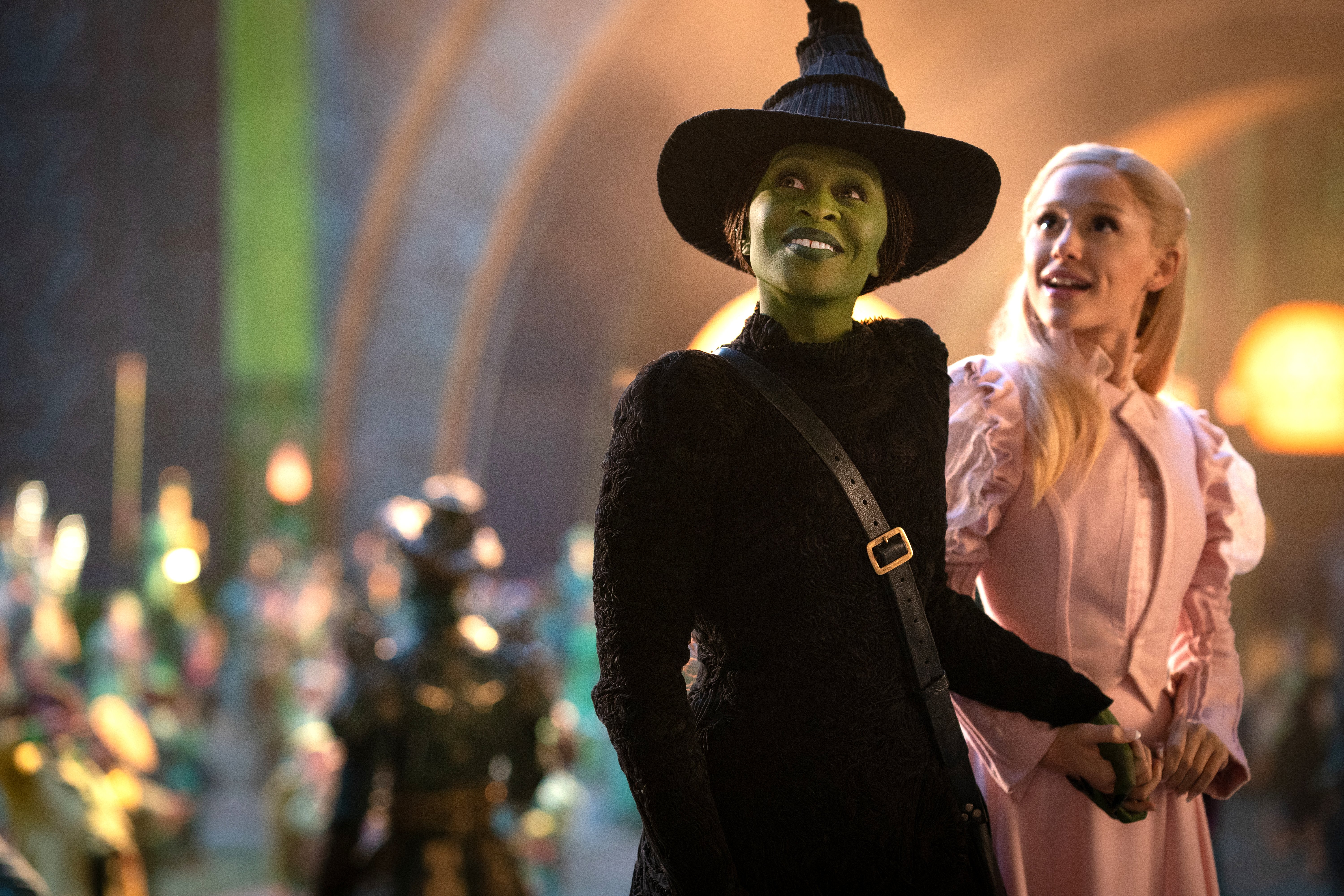
The Biblical truth sparkling through Elphaba’s imaginative and epic origin story, however, offers a different road (yellow-bricked or otherwise). Opinions do hold power: but the opinions of God and the opinions we have of ourself are what hold the strongest power of all. And you might have heard this before. Well-intentioned instruction tells us to ignore those who despise us for stupid reasons, and to instead listen to God’s mind-blowing promise of love for His kids. When the rubber hits the road, though, it can be really hard.
But if the reality sinks in that God made you for a reason, that you’re one-of-a-kind uniqueness is a gift from Him, that He loves you as His child, and that you don’t have to wedge yourself into some Internet-trend-vision of the good life—then you have a chance to fly.
Chances are, you’ll see the glimmer of God-given possibility in the people around you to. And, while you might not have an army of flying monkeys at your command, that can be a very powerful thing.
Conclusion
Wicked is a musical with a strange name. After close examination, it’s main character Elphaba isn’t very wicked at all. More like gifted with heart, courage, and brains (as Dorothy’s friends would jealously agree). It seems. though, that the good people in Oz have taken to calling Elphaba because of prejudice and propaganda. While the name-calling is unfair, Elphaba is the hero that Oz needs: one who is confident in her own identity and protects the dignity of others.
That’s the true magic of Elphaba’s story. The more that we learn and trust in God’s kind heart toward us, the more we’ll see the loving nature of God, the radical mercy and necessity of Jesus’s sacrifice, and the safety His love provides (see Dane Ortland’s Gentle and Lowly for more!) In a magical, flying-monkeys-kind-of way, Elphaba’s story reminds us of the power in finding safety in home-like, unshakable love.
And, as we all know, there’s no place like home. 👠👠
Thanks for joining us this week as we explore Wicked! Hopefully, it encouraged you to come to God–whether it’s been a few minutes or a few years since you’ve last talked to Him. God always welcomes those who come to Him! ❤
Join us next week as we take a bite of a tale more centered in the past: one with half-baked theme parks, shaking spoonfuls of Jell-O, and plenty of dinosaurs. See you next time!
Credits
Title Image: Mashable, edited in Canva

 Joy H. Books
Leave a comment